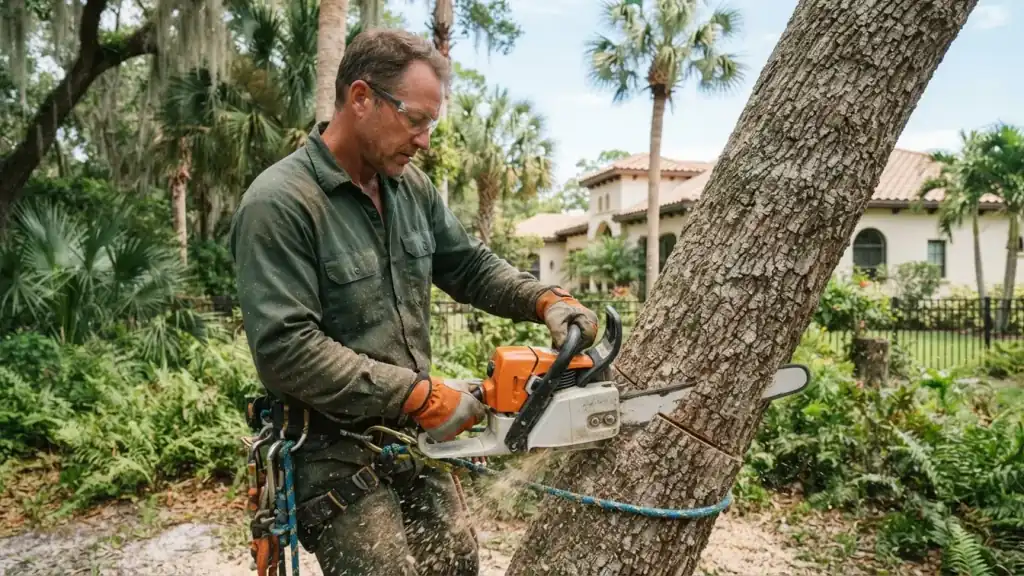
Why is my tree leaning dangerously in Florida? Trees in Florida lean dangerously primarily due to root damage, soil instability, and storm impacts. These factors compromise the tree's stability, increasing the risk of falling. This post will explain the common causes, how to identify hazardous leaning trees, options for fixing or removing them, and when to call professionals.
Florida tree removal is a service many homeowners need after noticing tree leaning issues. Understanding the causes and risks can help you act promptly and protect your property.
Common Causes of Tree Leaning in Florida
In Florida, tree leaning causes typically stem from environmental and biological factors that weaken root systems and trunk stability. The most frequent causes include:
- Root Damage: Construction, soil compaction, or root rot fungi can damage roots, reducing anchorage.
- Soil Erosion and Instability: Florida's sandy soils and heavy rains often erode soil around roots, causing trees to tilt.
- Storms and High Winds: Hurricanes and tropical storms exert force that can uproot or lean trees, especially those with shallow roots.
- Disease and Pest Infestations: Pathogens like Fusarium or pests such as termites weaken tree structure.
- Uneven Growth or Weight Distribution: Trees growing toward light or with heavy branches on one side develop imbalance.
These factors often combine. For example, a storm can exacerbate pre-existing root damage or soil erosion.
How to Tell if a Tree is Leaning Dangerously in Florida
How to tell if a tree is leaning dangerously in Florida involves observing several clear signs that indicate instability. A hazardous leaning tree Florida will usually show:
- Trunk leaning at an angle greater than 15 degrees from vertical.
- Exposed or damaged roots, especially on the side toward the lean.
- Cracks or splits in the trunk or at the base.
- Soil heaving or root ball movement after heavy rain or wind.
- Dead or dying branches concentrated on one side.
- Visible decay or fungal growth near the base or on the trunk.
Regularly monitoring these signs, especially after storms, is critical. Trees leaning dangerously can fall suddenly, so early detection prevents accidents.
What to Watch Out For: Signs of Hazardous Tree Leaning Florida
Signs of hazardous tree leaning Florida include physical symptoms that indicate the tree is at high risk of falling. These signs are often subtle at first but worsen over time:
- Root Plate Uplift: Raised soil or roots on the uphill side of the tree.
- Trunk Deformation: Bulges, cracks, or cavities visible on the leaning side.
- Leaning Progression: Noticeable increase in lean angle over weeks or months.
- Soil Saturation: Waterlogged soil reduces root grip, especially common during Florida's wet season.
- Heavy Canopy on One Side: Uneven branch growth causing imbalance.
In areas like Tree Removal in Pembroke Pines, Florida, where frequent storms and sandy soil combine, these signs often appear rapidly after severe weather.
How to Fix Dangerous Leaning Trees in Florida
Fixing dangerous leaning trees in Florida depends on the cause and severity of the lean. Minor lean issues may be corrected, but severe cases require removal. Common remedies include:
- Bracing and Cabling: Installing support cables or braces to stabilize the trunk and branches.
- Root Zone Care: Improving soil conditions, aeration, and root pruning to encourage healthy root growth.
- Pruning: Reducing canopy weight on the heavy side through professional Florida tree pruning and trimming services.
- Soil Stabilization: Adding mulch or ground cover to prevent erosion around roots.
- Leaning Tree Removal: When the lean is severe or the tree is diseased, dead and hazardous tree removal in Florida is the safest option.
Attempting to fix a hazardous leaning tree yourself can be dangerous and ineffective. Professional assessment ensures the right approach.
Cost to Remove Leaning Tree in Florida
The cost to remove a leaning tree in Florida in 2026 varies widely based on tree size, location, and complexity. Typical price ranges include:
- Small trees (under 30 feet): $300 to $700
- Medium trees (30 to 60 feet): $700 to $1,500
- Large trees (over 60 feet): $1,500 to $3,000+
Additional factors that affect cost:
- Proximity to structures or power lines requiring special equipment like cranes.
- Emergency or emergency tree service Florida outside normal business hours.
- Stump removal or grinding, which can add $100 to $400 depending on stump size.
For example, a 50-foot leaning oak in a residential backyard in Fort Lauderdale might cost about $1,200 for safe removal, including cleanup.
When to Call a Professional for Leaning Tree Removal in Florida
Call a professional immediately if your tree shows rapid leaning progression, root exposure, or structural damage. Florida's weather and soil conditions can worsen instability quickly. Certified arborists provide accurate Florida tree risk assessment and recommend safe solutions.
Professionals have the equipment and expertise to handle hazardous leaning tree Florida safely to protect you and your property.
Common Mistakes in Managing Leaning Trees in Florida
Many homeowners make mistakes that increase risks or costs when dealing with leaning trees:
- Ignoring Early Warning Signs: Waiting until the tree leans severely or falls increases danger and removal cost.
- DIY Removal Attempts: Without proper tools and knowledge, removal can cause injury or property damage.
- Delaying Professional Assessment: Missing timely tree service Florida can result in irreversible damage.
- Neglecting Soil and Root Care: Failing to improve soil conditions or root health can worsen leaning over time.
- Using Improper Bracing: Incorrect cabling or pruning can stress the tree further.
Addressing leaning trees proactively with expert help reduces hazards and costs.
Frequently Asked Questions
Why is my tree leaning dangerously in Florida?
Your tree is leaning dangerously in Florida mainly due to root damage, soil erosion, storm impact, or disease affecting stability. These factors weaken root anchorage and trunk support.
When should I remove a leaning tree in Florida?
Remove a leaning tree in Florida immediately if the lean angle exceeds 15 degrees, roots are exposed or damaged, or if the tree shows signs of decay or rapid lean progression.
Can leaning trees be saved in Florida?
Leaning trees can sometimes be saved with bracing, pruning, and root care if the lean is minor and the tree is otherwise healthy. Severe cases usually require removal.
How much does leaning tree removal cost in Florida?
Leaning tree removal costs range from $300 for small trees to over $3,000 for large, complex removals in Florida, depending on size, location, and urgency.
Who to call for leaning tree assessment in Florida?
Contact licensed arborists or professional Florida tree removal in Fort Lauderdale for accurate leaning tree risk assessment and safe removal services.